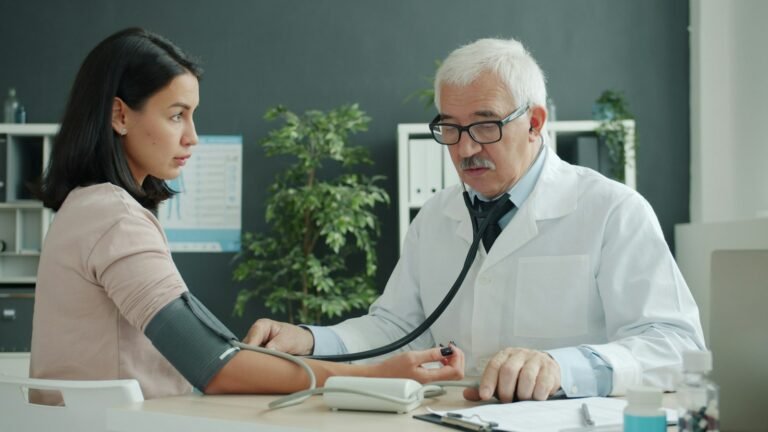
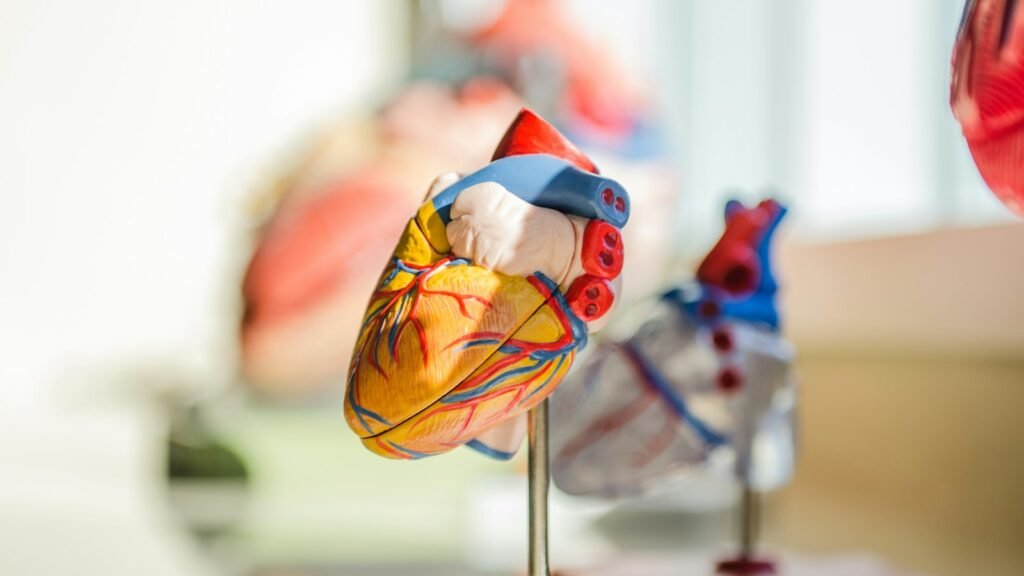
Both tests check your heart, both are painless and both are common, so it is easy to confuse an echocardiogram with an EKG. They answer different questions, though, and your doctor may order one, the other or both. Here is what each test does and what to expect from an echocardiogram in Miami.
The Short Answer
- An EKG (electrocardiogram) records the heart’s electrical activity: its rate and rhythm. It takes a few minutes.
- An echocardiogram is an ultrasound of the heart. It shows the heart’s structure and how well it pumps. It takes about 45 to 60 minutes.
What an EKG Shows
Small sticky electrodes on your chest, arms and legs record the electrical signal that triggers each heartbeat. An EKG can reveal:
- Irregular rhythms such as atrial fibrillation
- Heart rate that is too fast or too slow
- Signs of a past or current heart attack
- Electrical conduction problems
What an Echocardiogram Shows
An echocardiogram uses sound waves to create moving images of your heart. It can show:
- Ejection fraction: how much blood the heart pumps with each beat
- The size and thickness of the heart’s chambers and walls
- How well the four heart valves open and close, including leaks (regurgitation) or narrowing (stenosis)
- Fluid around the heart
- Areas of the heart muscle that are not moving normally
Why Your Doctor Might Order Each One
An EKG is often the first test for palpitations, chest discomfort or a routine physical. An echocardiogram is ordered when your doctor needs to see the heart itself, for example to evaluate:
- A heart murmur
- Shortness of breath or swelling in the legs
- High blood pressure and its effect on the heart
- Known or suspected heart failure or valve disease
- Abnormal EKG results
If you have chest pain, sudden shortness of breath or fainting, call 911. Outpatient testing is not for emergencies.
How to Prepare for an Echocardiogram
A standard transthoracic echocardiogram needs no fasting or special preparation. Take your medications as usual, wear a two-piece outfit so you can change into a gown from the waist up, and bring your physician’s order and a list of your medications. See our full exam preparation guide.
What Happens During the Exam
You lie on your left side while the sonographer places a few EKG stickers on your chest to time the images with your heartbeat. Gel is applied, and a transducer is moved across your chest and below your ribs. You may hear the whoosh of blood flow on the Doppler setting. There are no needles and no radiation.
Getting Your Results
Echocardiograms are interpreted by a board-certified physician, and the report is sent to your ordering physician within one week. Your doctor will explain what the findings mean for you.
Frequently Asked Questions
Is an echocardiogram better than an EKG?
Neither is better; they measure different things. An EKG checks electrical rhythm, while an echocardiogram shows the heart’s structure and pumping function.
Does an echocardiogram use radiation?
No. An echocardiogram uses sound waves only, so it is safe to repeat when needed.
Can I eat before an echocardiogram?
Yes. A standard echocardiogram requires no fasting.
Book Your Echocardiogram in Miami
Imaging Nation Diagnostics offers echocardiograms Monday through Friday. Schedule online or call 786-353-9160. Related reading: carotid ultrasound and stroke-risk screening.